What Lo-Fi Video Is and When It Beats Polish
Lo-fi video is real people, filmed simply, usually on a phone. Why it earns trust and fits the feed, and where a polished production is still the right call.
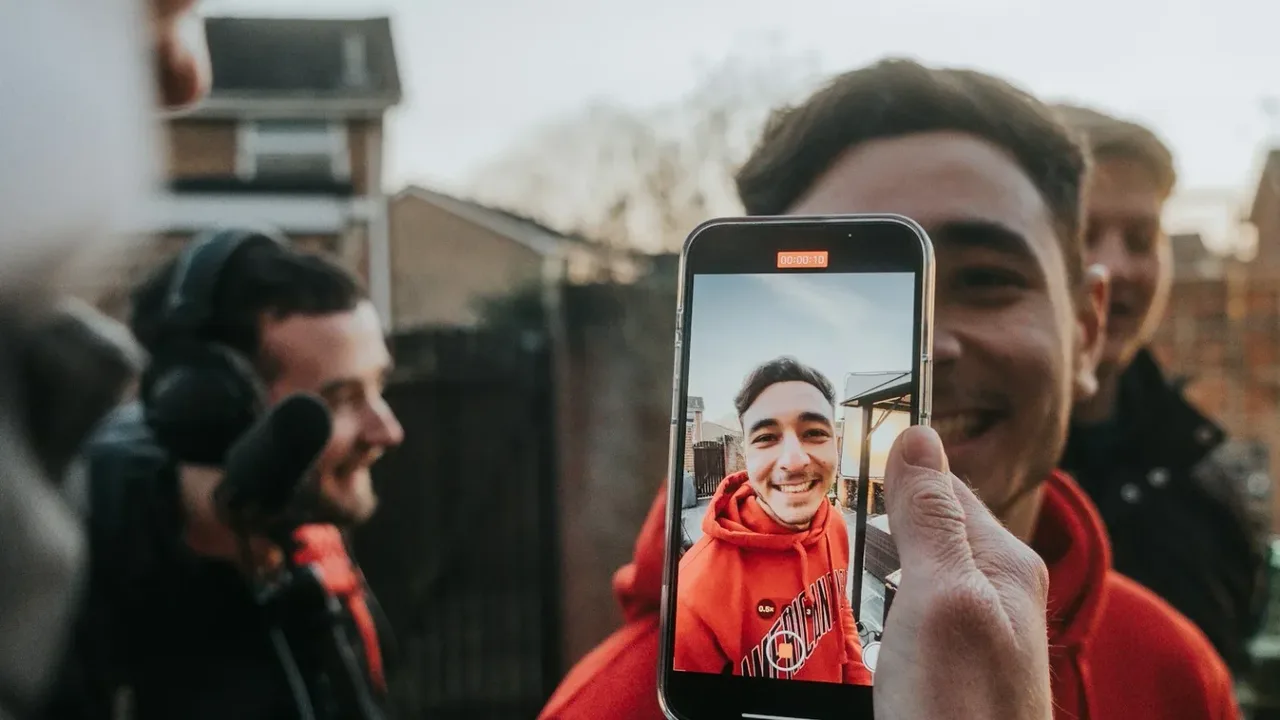
Most of the video people watch on their phones was not made on a set. It was filmed by a person holding a phone, talking like a person. Lo-fi video is what happens when a brand makes that kind of video on purpose.
This post covers what lo-fi is, why it works, and when you still want the big production.
What lo-fi video actually is
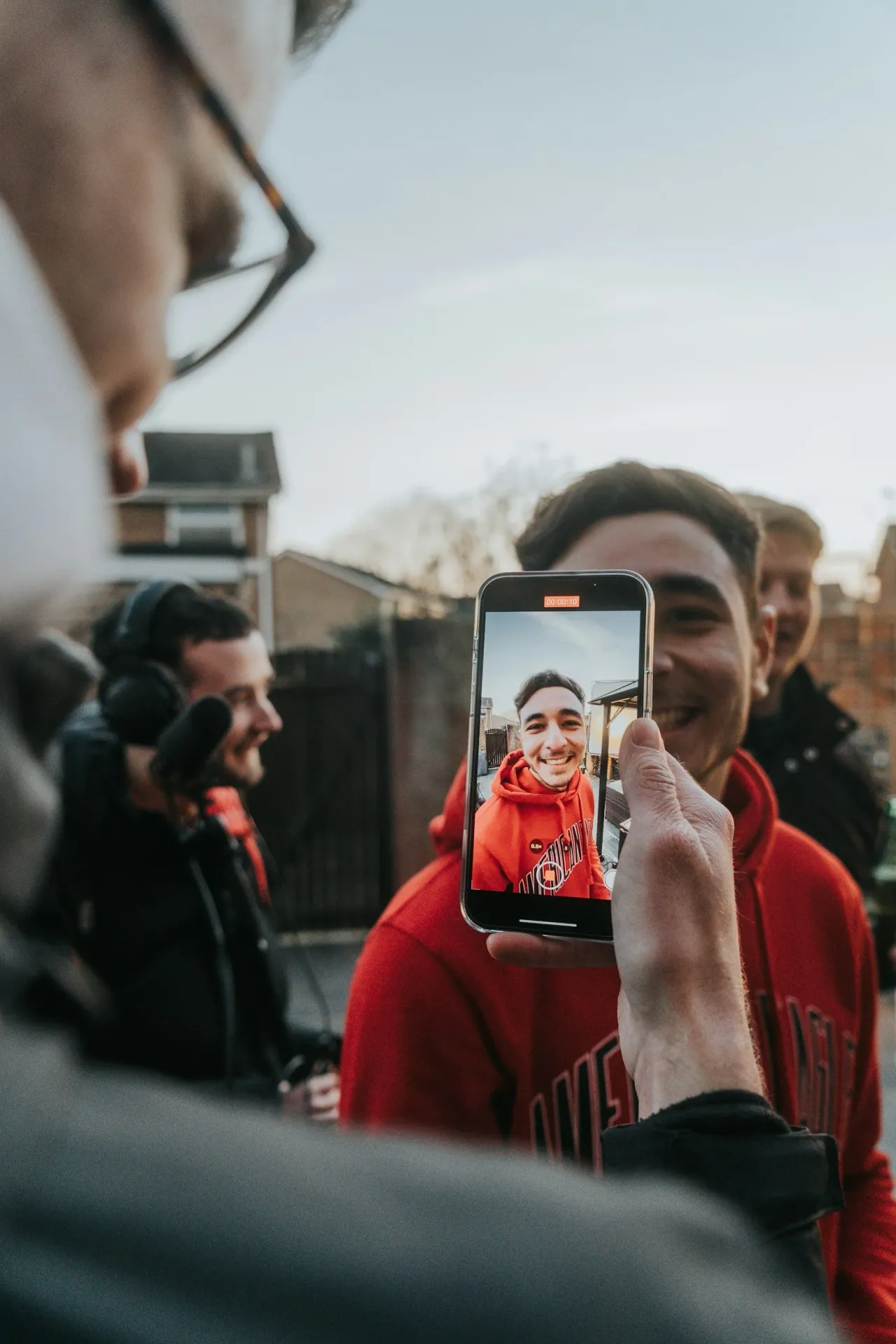
Lo-fi, short for low fidelity, is video made with simple gear and a small footprint. Usually a phone. Usually one person filming, sometimes the person on camera. No lighting truck, no actor reading a script, no week in the color suite.
What makes it lo-fi is not how rough it looks. It is who is in it and how they sound. A real employee explaining how the thing gets made. A customer unboxing the product at their kitchen counter. A coach talking to the team before practice. The words are theirs, and the setting is where they actually are.
Lo-fi is also not the same as careless. The clips that work are still well lit, easy to hear, and framed so the person is the point. Low fidelity describes the production, not the standards.
Why it works
It reads as trustworthy. People are good at spotting a performance. When the person on screen is the actual customer or the actual engineer, with their own phrasing and their own kitchen behind them, viewers give them a benefit of the doubt a commercial rarely gets. That matters more as feeds fill up with video no person ever filmed. A real person on a real phone is proof you do not have to explain.
It fits the feed. Vertical, handheld, someone talking straight to the lens. That is the native look of short-form video on every major social app. A lo-fi clip sits next to posts from friends without announcing itself as an ad, so people are less likely to scroll past on reflex.
It is fast. A phone is already in everyone's pocket. You can go from idea to published clip in days instead of the weeks a crewed shoot takes to book, film, and edit. That speed lets you react to a launch, a season, or a comment thread while it still matters, and it lets you post often enough to stay visible.
What the research says
One useful piece of evidence comes from Meta. In a 2019 study of direct response ads on Instagram Stories, Meta found an 84% likelihood that self-recorded, mobile-shot creative would outperform studio-shot creative on content views, and a 63% likelihood that it would drive more lower-funnel results like purchases and app installs. Meta also reported that campaigns with lower production value video drove a significantly higher lift in ad recall than high-production campaigns.
Two honest caveats. That study measured one ad format on one platform, and a likelihood is not a guarantee. Treat it as a strong signal that polish is not what earns attention on a phone, then test it with your own audience.
When polish still matters
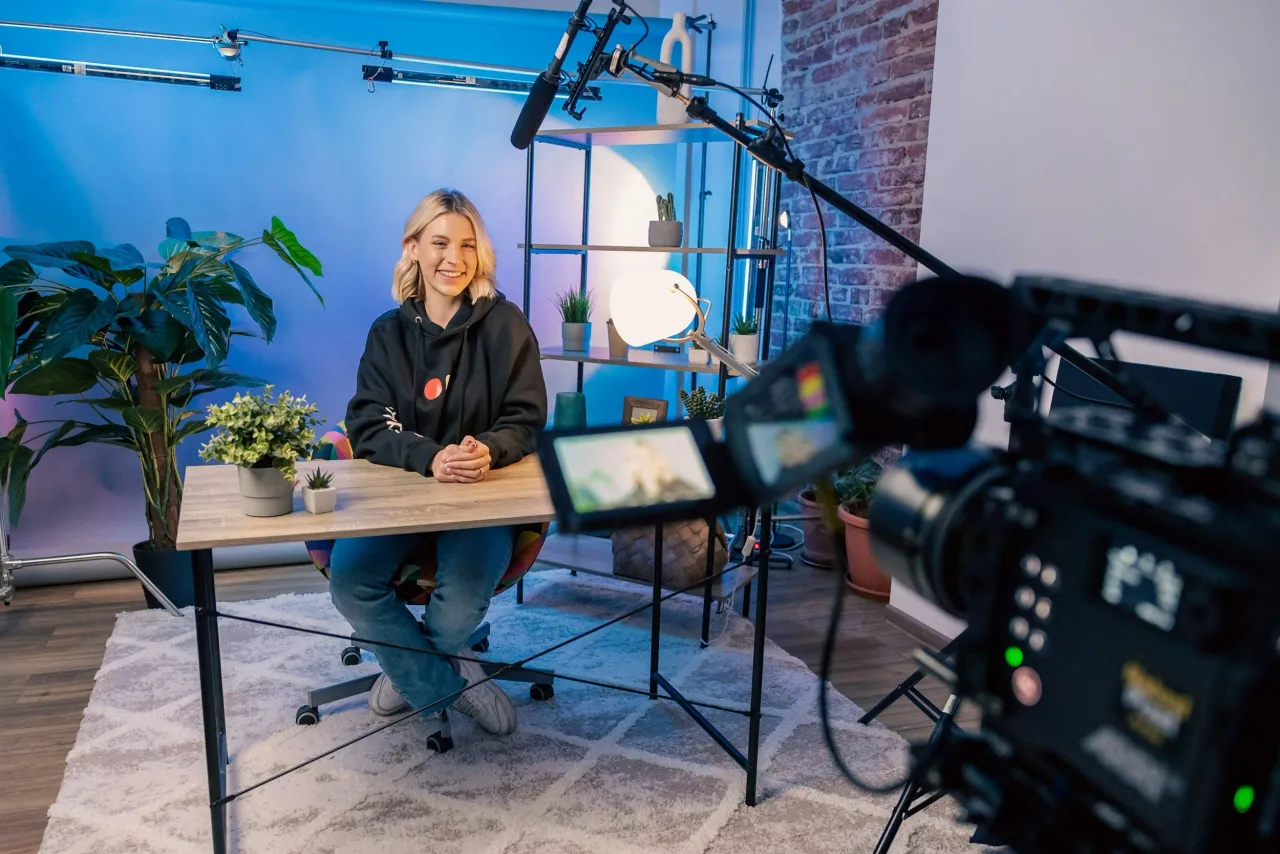
Lo-fi does not replace every production. Some jobs still call for a crew, a controlled set, and time in post.
- Hero moments. A brand film, a major launch, a TV or connected-TV spot. These define how the brand looks, and they run long enough to justify the cost.
- Precise product shots. Macro detail, controlled reflections, motion that has to match a graphic. A phone in a kitchen will not get you there.
- Claims that have to be exact. Regulated categories, safety instructions, or anything legal approves line by line usually want a script and a controlled read.
- Stories that need craft to land. Some subjects need careful lighting, sound, and a shaped edit to be told with respect.
The practical split: polish for the few pieces that set the tone, lo-fi for the steady stream of video around them. The hero spot says who you are. The everyday clips prove it. We cover how to schedule that mix in How to Fit Lo-Fi Video Into Your Content Plan.
Lo-fi still takes a little craft
The gap between lo-fi that works and footage nobody can use is a handful of basics. Face the window, not away from it. Get close enough to hear the person over the room. Hold the phone steady with both hands. Keep the asks short so the person filming knows exactly what to get. Our guides to framing on a phone, recording an interview, and filming B-roll walk through each one.
That is also where Cinebody fits. Your employees, customers, and fans film on their phones from a link, and Cinebody coaches framing, light, focus, steadiness, and audio while they shoot, then scores each clip as it lands. The footage stays real. It just comes back usable.