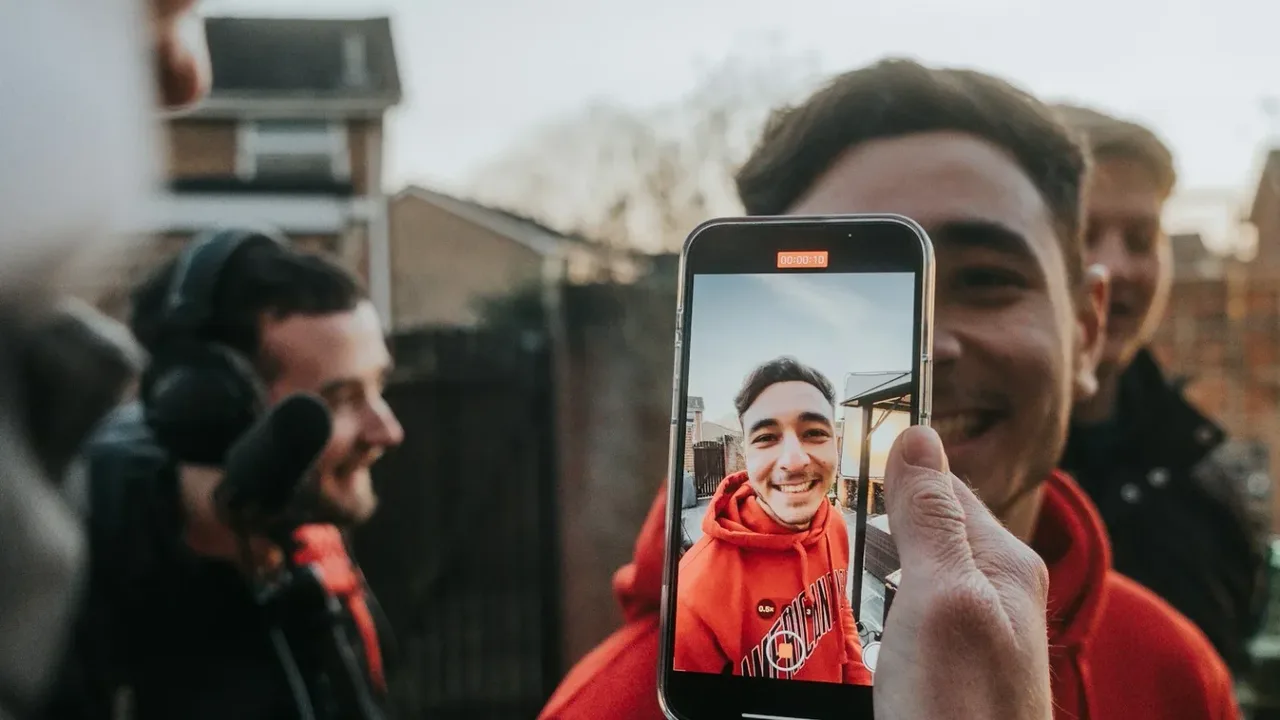
Film B-Roll Editors Can Actually Use
Cutaways that earn their spot: light, frame, steady, and coverage. Same craft with a paper list or CueDots in the native app camera.
B-roll is the supporting footage. Wide shots that place you. Close-ups that land a detail. Action that keeps the cut moving while someone talks. Without it, interviews sit on one face and events feel like a single angle.
You do not need a crew on site to get cutaways an editor will keep. You need a short list of asks, a few filmable checks, and enough takes that the edit has options.
Know what the edit needs
Before you roll, write down what the story is missing. Not “capture the vibe.” Concrete asks.
Film the entrance from thirty feet, then walk in. Hands on the product. A face reacting in the crowd. The sign people will recognize. Two or three clips per beat beats one “hero” take that does not cut.
Brief remote filmers in home language. “Establishing shot” lands better as “stand across the street and hold for five seconds, then walk toward the door.” Most important clips first. Keep the list short enough that a festival or office day does not feel like homework.
A Guided shot list can open a brief card before the camera. Open shots keep the brief collapsible so you can peek and roll. Orientation lock and quality settings are context for the take, not a second coaching screen.
Light, frame, steady
These three decide whether a clip survives the first scrub.
Light. Window or sun before you invent a kit. Soft light on the subject, not a bright window behind them. Golden hour outdoors still helps. Indoors, kill harsh overheads when you can.
Frame. Grid on if you have one (thirds, golden, or off). Subject on a line or intersection, not dead center every time. Mix wide, medium, and close. Watch the background so a pole or logo does not grow out of someone’s head.
Steady. Tripod, monopod, or elbows in and both hands on the phone. Smooth movement is planned, not a whip-pan.
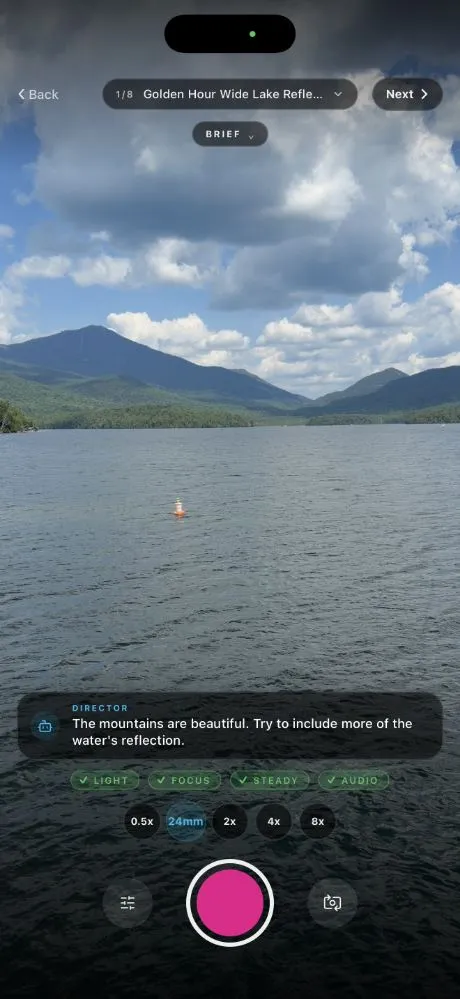
In the native app camera, CueDots for Light, Focus, Steady, and Audio read green, yellow, or red while you hold. Adjust once, then shoot. With AI Director on, short Director pills can sit on the viewfinder (steady, fix light, reframe) in the same voice as live producer notes. With it off, those pills stay quiet; Steady still flags shake. Phone-browser recording can still carry a brief; it does not show the four-dot panel or AI Director.
Lock focus and exposure once the frame is right. Underexposed mud and blown highlights both waste a take.
Coverage, movement, angles
Grab two or three versions of each beat. Move on purpose: a slow push, a gentle pan, a follow of hands at work. Think the move, then do it once clean. High and low angles add shape when they serve the story.
Audio on B-roll is usually atmosphere. Get close enough that the room feels real. If people speak and you need the words, treat mic and distance like interview craft.
Shot types that earn their spot
Establishing. Wide location, exterior, or room so later cutaways have a place to live.
Close-ups. Hands, product detail, a logo, the thing being made. Tight shots control pacing and hide jump cuts under an interview.
Action. People doing the thing: walking in, packing, cheering, working. Stabilize if you walk with them. Slow motion only when the moment can hold it.
Lifestyle and in-the-moment. Coffee, commute, locker room, booth setup. Prefer real moments. Phone POV or a quick reverse can show the space when a second camera is not there.
If a clip will not cover a line of dialogue or bridge two scenes, skip it.
Events, remote days, interviews
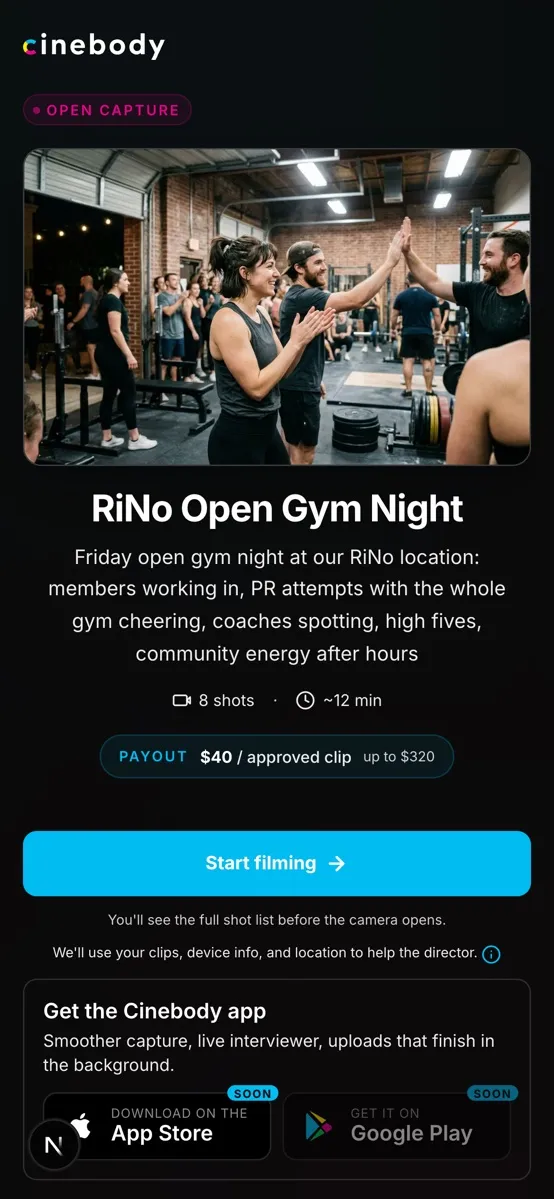
Events. Entrance, signage, branding, crowd energy, and a session that shows what the day is. Spot-recruit a few attendees or staff if you need more angles than you can hold alone. Give them the same short list you would shoot yourself.
Remote. Tangible examples beat jargon. Incentives help when the ask is real work. Review uploads as they land so you can ask for a cleaner wide or a steadier close-up while everyone is still on site.
Interviews. Plan cutaways before talent sits: hallway, desk, doing the work they will talk about. Day-in-the-life phone clips fill gaps when you cannot send a second person. Intercut to reinforce what they say, not to decorate silence.
Keep the checklist short
Light. Frame. Steady. Two or three takes per beat. Asks an editor can cut.
Live B-roll coaching is a local toggle: reopen the camera when you come back. On Cinebody, CueDots and Director pills illustrate the same checks you already run by eye. The craft still decides whether the cutaways are usable.