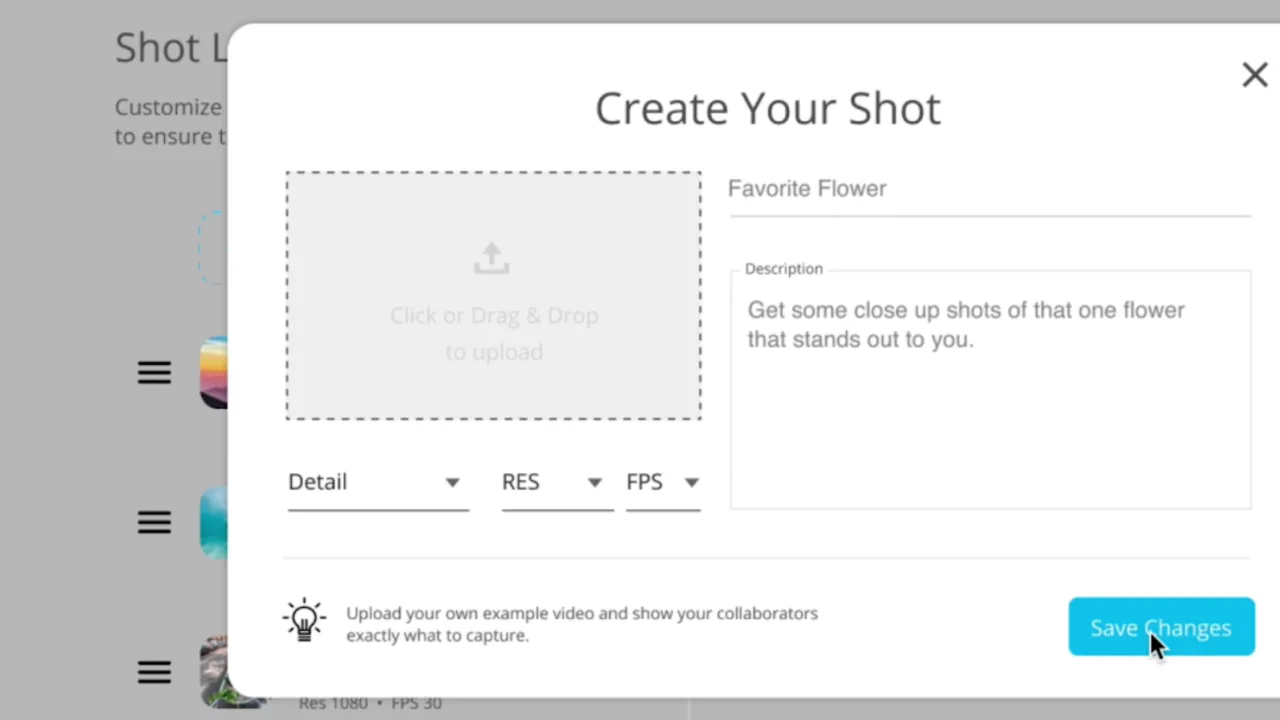
What Is a Shot List and How Do I Write One for a UGC Campaign?
A UGC shot list is the set of asks your filmers follow on their phones. Keep it short, one ask per shot, in plain words, must-haves first, with the specs that matter.
A shot list is the set of asks you send the people filming your UGC campaign. For most of them, it is the only direction they will get. A good list gets you footage you can cut. A vague or long one gets you atmosphere, half-finished submissions, and a lot of luck.
On a traditional shoot, a crew works through the list shot by shot. On a UGC campaign, the list goes to employees, customers, or fans holding their own phones, many of whom have never filmed anything for a brand. That changes what a good list looks like. Here are the rules that matter.
Keep it short: one to five shots
Picture joining a campaign at a concert and opening a list of twenty shots. Most people close it. The ones who stay rush.
Aim for one to five shots. Go to seven only if you have a real reason. If you need more than that, mark the extras as optional so the list still looks doable.
Short lists do two things. More people finish them, and people put more care into each clip, which is the part you actually cut with.
One ask per shot
This is the rule that breaks most lists. If a shot asks for more than one thing, many filmers do the first thing and miss the rest.
Want people to answer three questions? That is three shots, not one shot with three questions. Want a product close-up and a line to camera? Two shots.
A quick test: if a shot description has "and" in it, it is probably two shots. Split it.
Write it so a person can follow it on a phone
People read shot lists on a small screen, often seconds before they film. Every line should say what to do, where, and for how long, in words anyone would use.
Compare these two:
"Capture dynamic, on-brand lifestyle B-roll of the product in use."
"Hold the bottle at chest height and take a sip. Ten seconds is plenty."
The first describes a video. The second tells someone what to do with their phone.
Keep the tone warm. Most filmers are doing you a favor, and plenty are nervous about being on camera at all. Directions that sound like a test get stiff clips or no clips. Leave a little room for people to make a shot their own, and sometimes you get something better than you asked for.
Put the must-have footage first
Not everyone films the whole list. Some people film one shot and leave. Make sure that one shot is the one you cannot cut without.
That is usually the line to camera, the product in hand, or the moment the event is about. The pretty wide of the venue can go last. Nice to have is not the same as needed.
Include the specs that matter, and only those
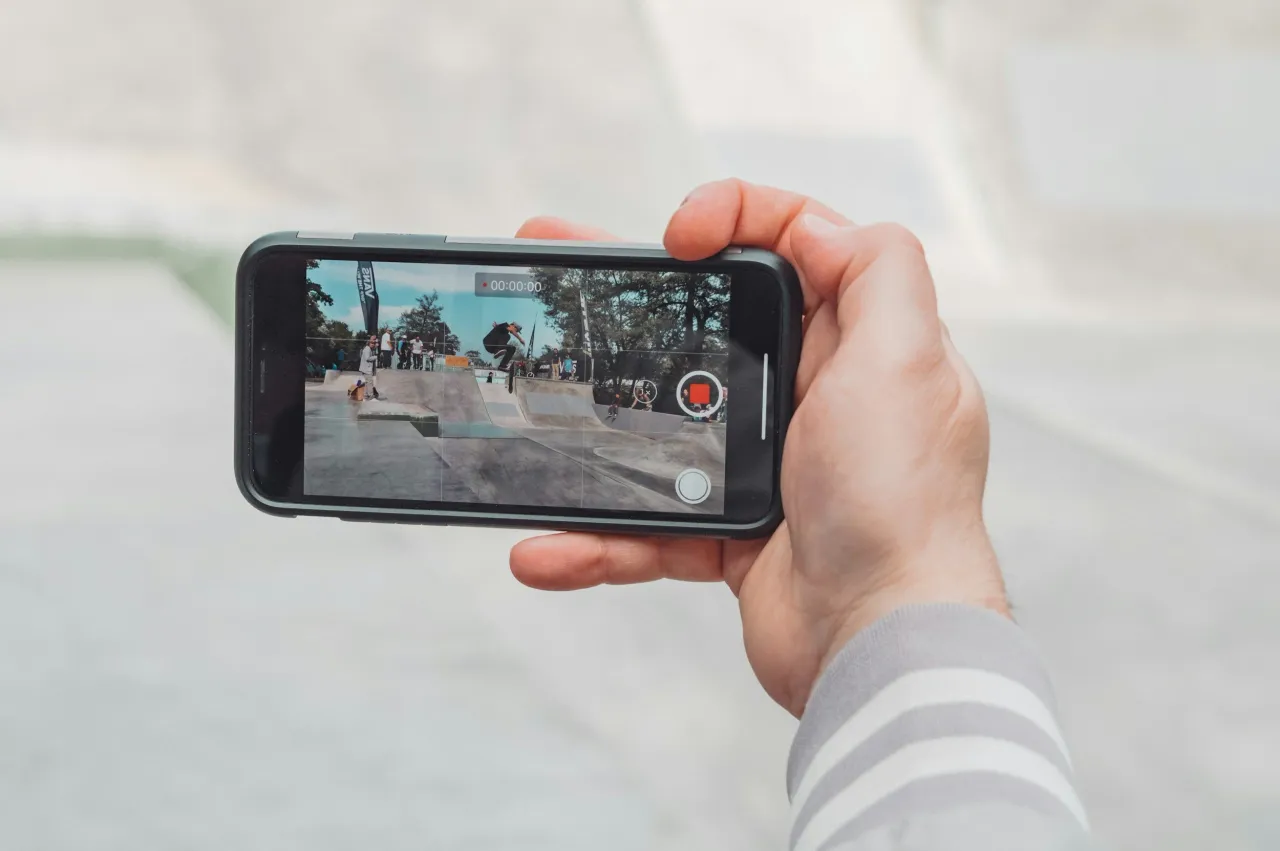
Two specs decide whether a clip is usable, so put them on every shot.
Orientation. Vertical or horizontal, based on where the video will run. TikTok recommends 9:16 vertical video for its in-feed ads, and Google calls 9:16 the best fit for YouTube Shorts, while YouTube's standard on a computer is horizontal 16:9. A clip filmed the wrong way loses most of the picture when it is cropped. If you need both, make them separate shots.
Length. Say how long to hold or how long to talk: "hold for five seconds," "one sentence is perfect," "under 30 seconds." Without a length, you get two-second clips that cannot be cut and four-minute clips nobody will watch.
Leave out what a filmer cannot act on. Campaign goals, brand guidelines, and "make it feel premium" belong in your planning, not on a list someone reads on a sidewalk.
A quick example
Store staff filming clips for a new location's opening day:
- Look at the camera and tell us one thing you are excited about for opening day. One sentence is perfect. Vertical.
- Film your hands setting up your station before the doors open. Vertical, about ten seconds.
- Stand across the street and film the front door as people walk in. Vertical, hold for ten seconds.
Three shots. One ask each. The line to camera is first because it is the hardest one to replace.
Next step: start from a brief
These rules tell you what a good list looks like. If you are stuck on what goes in it, write a short brief first: what you are making, who is filming, and what the edit needs. Start Your Shot List From a Brief, Not a Blank Page walks through turning that brief into filmable asks.
On Cinebody, you describe the project and Cinebody writes the shot list, with plain directions and an orientation on every shot. Then you edit it against the rules above. The list is still your direction.